
Project Description
When your assets are operating under pressure, heat, vibration, and harsh environments, the smallest visible sign can be the first warning of a major failure. VAIC’s Visual Inspection (VI/VT) service gives you fast, reliable clarity on the real condition of your equipment—helping you prevent unplanned shutdowns, reduce repair costs, and protect people and production.
It’s the smartest first step to secure integrity, validate workmanship, and build confidence before moving to advanced testing.
Inspection technique
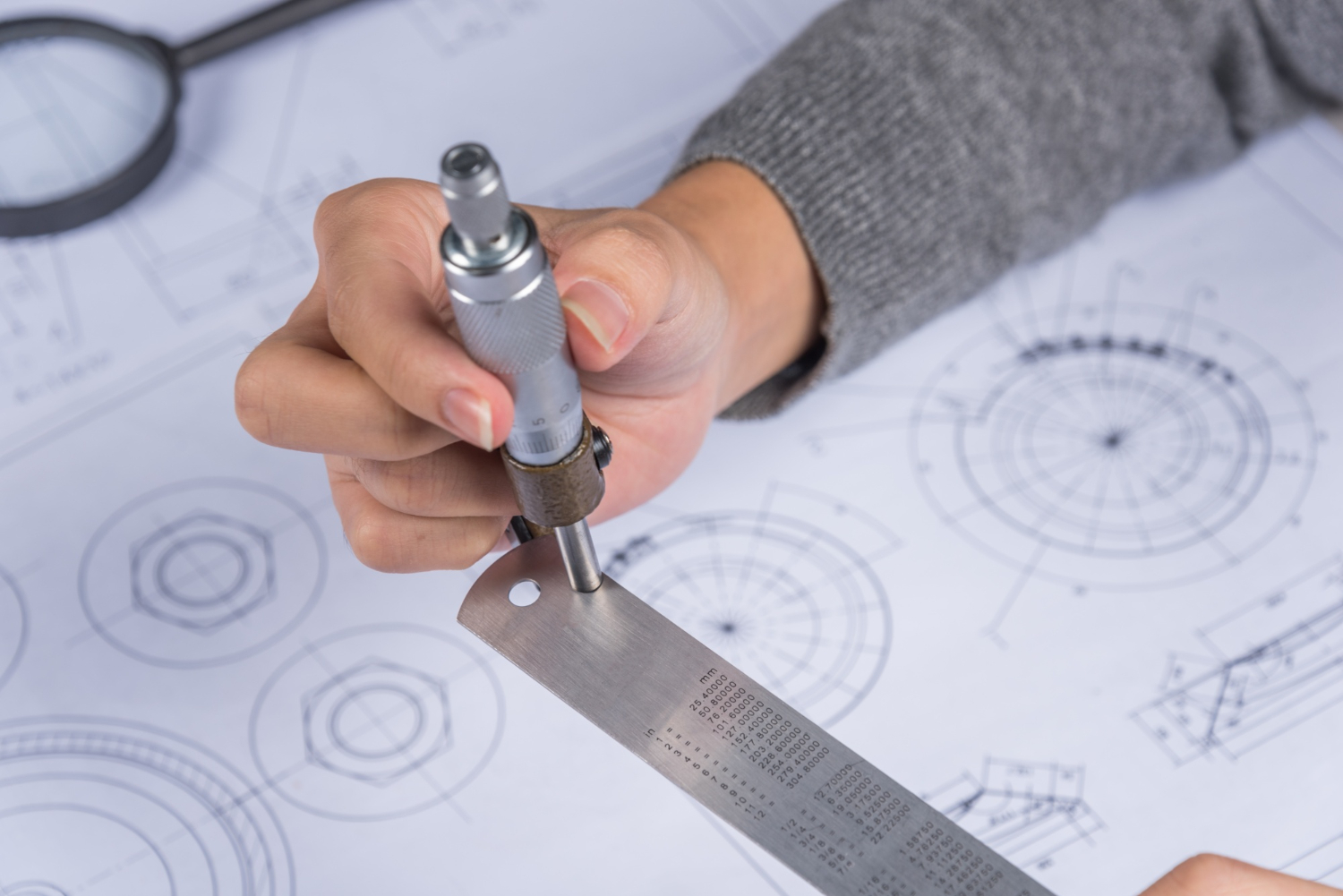
Visual Inspection is a systematic examination of surfaces and accessible areas to identify abnormalities such as corrosion, deformation, cracks, leaks, misalignment, coating breakdown, and weld surface imperfections. Our approach combines direct visual inspection with remote visual inspection when access is limited or safety constraints apply.
To deliver high-value results (not “just looking”), VAIC inspectors follow a disciplined methodology:
defined inspection checkpoints based on the asset type and operating risk
proper lighting and surface preparation guidance when needed
close-range verification using magnification tools and high-resolution imaging
remote access using industrial videoscopes/borescopes for confined or hard-to-reach areas
clear photographic evidence and traceable reporting for audits and decision-making
Every inspection is performed by highly experienced, certified inspectors trained under internationally recognized competency schemes, with a strict QHSE-first execution (safety controls, site procedures, and responsible work practices) to protect your team, your site, and your reputation.
Applications
Visual Inspection is widely used across Oil & Gas and industrial operations, including:
Weld visual checks (surface condition, geometry, undercut, spatter, visible discontinuities)
Pipelines and piping systems (external corrosion, supports, leaks, mechanical damage)
Storage tanks (shell, roof, nozzles, foundations, coating condition)
Pressure equipment and static machinery (external degradation indicators, hot spots evidence, leaks)
Steel structures (deformation, cracking, bolting issues, fatigue indicators)
Paint & coating condition assessments (blistering, peeling, corrosion breakthrough)
Pre-commissioning inspections and routine in-service surveys
Shutdown/turnaround visual screening to prioritize advanced NDT where it matters most